Introduction
In a world that progressively relies on data and online education, the worth of individual communication can not be overemphasized. One area where this is especially obvious is in first aid training. Face-to-Face First Aid Sessions: The Power of Personal Interaction in Learning delves into the relevance of in-person training, exploring its myriad advantages, techniques, and the crucial abilities presented throughout these sessions. This short article intends to offer an exhaustive summary of face-to-face first aid training, consisting of different courses used, linked prices, and just how these sessions line up with modern academic requirements.
Understanding First Aid Training
What is First Aid?
First aid describes the prompt assistance provided to somebody suffering from an injury or illness. This can vary from small injuries like cuts and contusions to deadly problems such as cardiac arrest or severe allergies. Recognizing the basics of first aid is important for anyone-- whether at home, work, or in public spaces.
The Relevance of Certification
Obtaining a qualification in first aid not only outfits people with vital skills however additionally improves their employability. Organizations commonly need licensed staff to make sure workplace security and compliance with laws set forth by governing bodies like Safe Job Australia.
Types of Emergency treatment Courses
HLTAID011 Supply First Aid
This thorough program covers a series of subjects, including mouth-to-mouth resuscitation strategies, managing medical emergencies, and understanding workplace health and safety protocols. It's made for individuals seeking to obtain foundational understanding in initial aid.
HLTAID009 Offer mouth-to-mouth resuscitation Focus
The HLTAID009 program emphasizes cardiopulmonary resuscitation (MOUTH-TO-MOUTH RESUSCITATION) strategies. Given the important nature of CPR during emergencies, this training course prepares participants to respond efficiently when every 2nd counts.
HLTAID012 Offer First Aid in Education
Specifically customized for teachers and child care carriers, this training course concentrates on first aid methods appropriate within academic environments. It covers different circumstances that might emerge in schools or daycare centers.
HLTAID014 Provide Advanced First Aid
For those wanting to strengthen their experience, the HLTAID014 offers advanced methods required for handling more complicated medical scenarios. This course is specifically advantageous for professionals in risky occupations.
Why Pick Face-to-Face Training?
Benefits of Personal Interaction
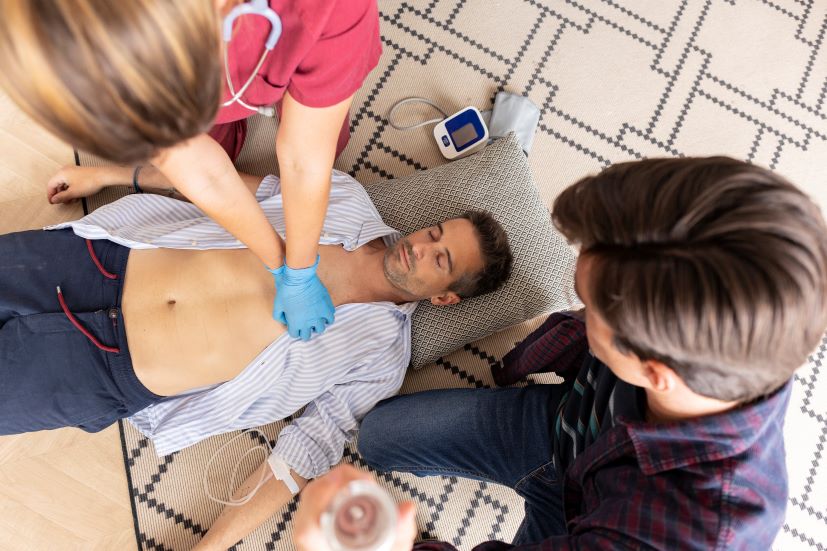
Face-to-face sessions supply real-time comments from qualified instructors that can deal with inquiries immediately. This interaction promotes a vibrant learning setting where individuals can involve straight with both instructors and peers.
- Immediate Comments: Trainers can correct techniques on-the-spot. Hands-on Practice: Individuals get useful experience using manikins and other equipment. Peer Learning: Group discussions enhance comprehending with shared experiences.
Meeting Safe Job Australia Requirements
Many work environments mandate conformity with details safety and security training programs based on laws detailed by Safe Work Australia. In person training ensures that organizations satisfy these legal responsibilities while outfitting staff members with important skills.
Prerequisites for Emergency treatment Courses
Course Requirements Overview
Before enrolling in an emergency treatment program, it's necessary to recognize the requirements:

First Help Training course Assessment Methods
Understanding Evaluation Techniques
Assessment methods for first aid training courses differ depending upon the degree of training yet commonly consist of:
- Practical Demos: Individuals show their capability to perform first aid procedures. Written Exams: Tests assess theoretical understanding concerning emergency treatment principles. Continuous Evaluation: Continuous examination throughout the course based upon engagement and functional performance.
Pricing and Additions for Face-to-Face Sessions
Cost Failure for Emergency treatment Flows Australia
When considering signing up in an in person first aid session, it's important to be knowledgeable about valuing frameworks:
|Training course Type|Typical Cost|Duration|| --------------------------------------|----------------|----------------|| HLTAID011 Give Emergency Treatment|$120 - $180|1 - 2 Days|| HLTAID009 Supply Mouth-to-mouth Resuscitation Focus|$80 - $150|Fifty percent Day|| HLTAID012 Provide First Aid in Education And Learning|$150 - $220|1 Day|| HLTAID014 Give Advanced First Aid|$250 - $350|2 Days|
Prices can vary based on place and carrier inclusions such as manuals or certification fees.
Community Centres Offering Training Programs
Local Accessibility to Educating Opportunities
Many neighborhood centres throughout Australia use face-to-face emergency treatment courses that are both cost effective and easily accessible. These First Aid training courses in Southport venues typically accommodate varied groups-- including parents seeking childcare certification or people desiring basic knowledge.
Benefits Include:
- Local convenience Community-focused understanding environment Flexibility in organizing classes
Upskilling Past Basic Emergency treatment Training
Advanced Techniques Available Via Additional Education
Once you've grasped fundamental first aid abilities, take into consideration seeking additional credentials such as innovative life assistance strategies or specialized courses aimed at details demographics (e.g., children or senior care).
Available Upskilling Options:
- Remote Emergency treatment Certification Childcare Emergency treatment Rushes Australia Online Advanced Courses
These pathways not just improve your skillset yet also raise your bankability within numerous specialist fields.
Frequently Asked Questions (FAQs)
FAQ 1: What qualifications do I obtain after finishing an in person session?
After successful conclusion of an in person session, individuals generally get a Declaration of Accomplishment which is acknowledged nationally throughout Australia.
FAQ 2: Are online programs as efficient as face-to-face training?
While online programs give adaptability, they lack the individual communication and hands-on method vital for grasping functional skills needed during real-life emergencies.
FAQ 3: Exists an age limitation for participants?
Most courses need participants to be a minimum of 14 years old; however, some might provide junior programs customized especially for more youthful audiences.
FAQ 4: What happens if I need recognition for previous understanding (RPL)?
If you have actually formerly obtained appropriate understanding or abilities with experience rather than formal education and learning, you might make an application for RPL assessments when enrolling in brand-new courses.
FAQ 5: How much time does it take to complete each course?
Duration differs by program type; initial training courses can last half a day while advanced certifications might require up to 2 days for full completion.
FAQ 6: Are there team price cuts available?
Many training companies supply price cuts for group reservations-- optimal if you're organizing training sessions for teams within your company or community group.
Conclusion
In final thought, spending time into face-to-face emergency treatment sessions offers unparalleled benefits over on the internet choices-- most especially via individual communication that enhances discovering outcomes. With organized programs like HLTAID011 (Provide First Aid) and specific offerings catering to numerous populaces-- such as child Southport first aid certificate care companies-- the landscape of emergency situation response education continues advancing while satisfying market requirements set out by ASQA (Australian Abilities Top Quality Authority).
Whether you're checking out boosting individual skills or fulfilling work environment demands under Safe Work Australia guidelines, accepting the power behind these interactive sessions certainly enriches both specific capabilities and area readiness against unanticipated circumstances. So why wait? Dive into your trip in the direction of ending up being a qualified first aider today!